
Summary of the Activity
The session highlighted the vital role of religious leaders in addressing climate change by drawing on spiritual values of stewardship, compassion, and responsibility. It emphasized that faith leaders can influence communities to adopt sustainable practices and shift attitudes toward the environment. Interfaith collaboration was seen as a powerful force for promoting eco-friendly initiatives, while religious discourse can reframe climate change as a moral and ethical responsibility. Overall, the discussion underscored that religious leadership is essential in inspiring collective action for sustainability and environmental justice.
Highlights of the Activity
The session highlighted the vital role of religious leaders in addressing climate change by drawing on spiritual values of stewardship, compassion, and responsibility. It emphasized that faith leaders can influence communities to adopt sustainable practices and shift attitudes toward the environment. Interfaith collaboration was seen as a powerful force for promoting eco-friendly initiatives, while religious discourse can reframe climate change as a moral and ethical responsibility. Overall, the discussion underscored that religious leadership is essential in inspiring collective action for sustainability and environmental justice.
Our Speaker
Guiding the conversation on peacebuilding
Mr. Geshe Lodoe Sangpo
Director of science centre
Gaden Jangtse Monastic University
65
Participants
Key Takeaways
The first takeaway was the recognition that religious teachings across traditions uphold stewardship of the earth, urging humanity to care for creation with reverence. Speakers highlighted how leaders of different faiths can mobilize communities, influence values, and shift behavior toward sustainable practices—demonstrating that climate action is not just a scientific or political issue but also a moral and ethical one. The discussion underscored the importance of interfaith collaboration, where unity of purpose can amplify the fight against climate change through tree-planting drives, clean energy advocacy, and eco-conscious living. The role of religious discourse in shaping public awareness was seen as crucial, as it reframes climate change from a distant problem into a shared responsibility rooted in compassion, justice, and collective action. Ultimately, the session inspired participants to view religious leaders as key allies in advancing sustainability and building a culture of care for both people and the planet.
Event Gallery

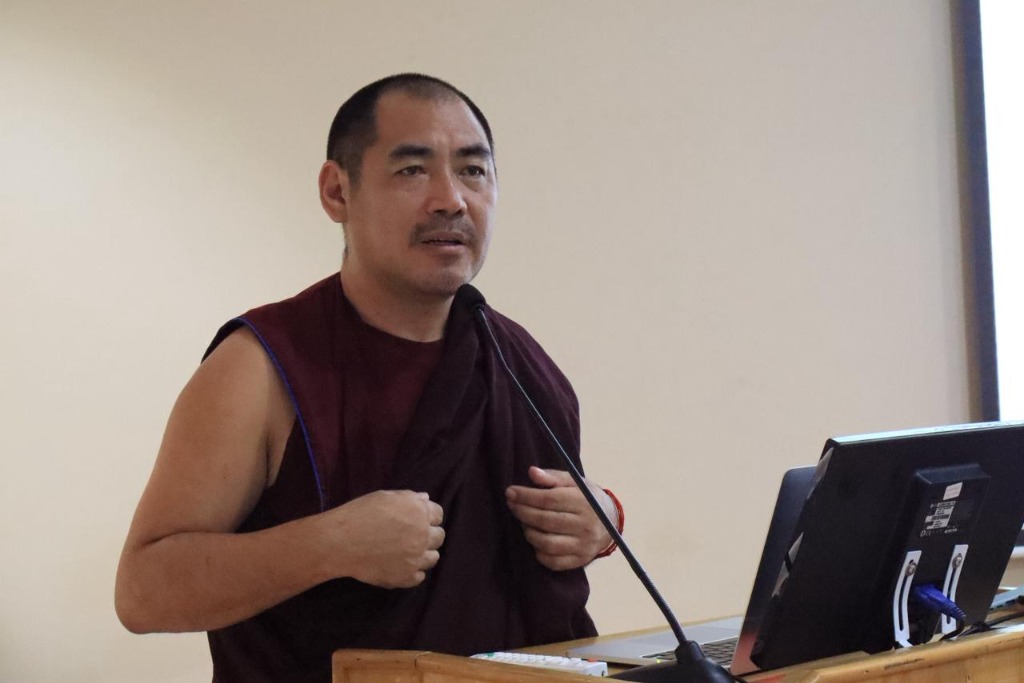
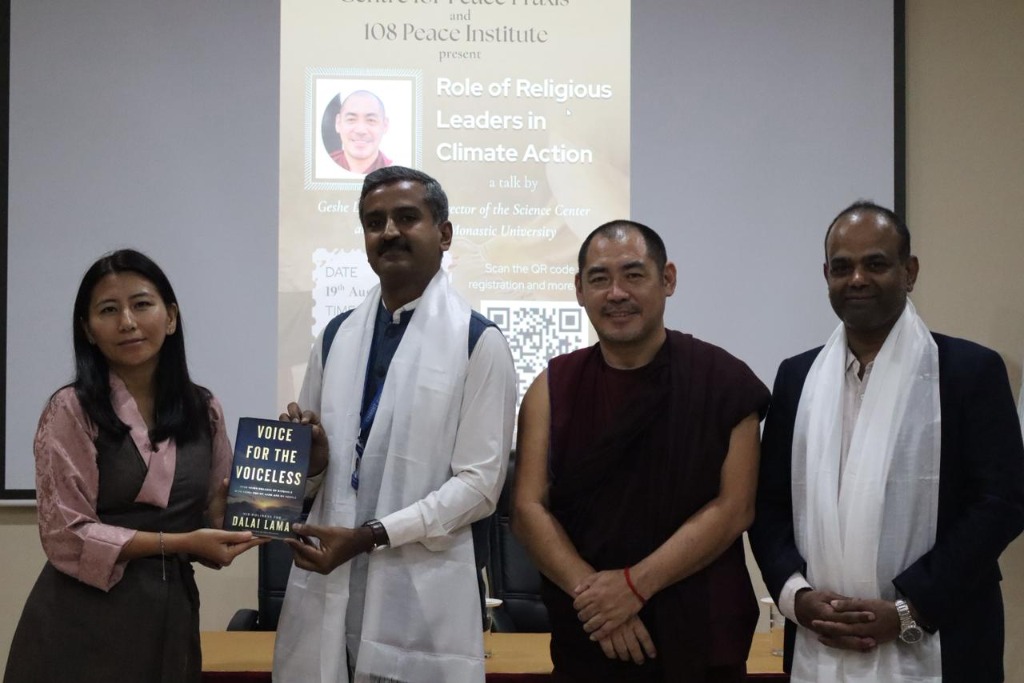
Snapshots from the "Role of Religious Leaders in Climate Action" session at CHRIST University.
Aligned with UN SDG