
Summary of the Activity
The Changing Rains – A Climate Colloquium brought together experts, students, and faculty to discuss evolving rainfall patterns and their impacts on Southwestern India. Through a keynote address and an expert discussion, the event explored climate prediction, urban vulnerability, and community-level implications of changing rains. The colloquium encouraged interdisciplinary dialogue and raised awareness about the need for sustainable planning and climate-resilient strategies to address the challenges posed by climate change.
Highlights of the Activity
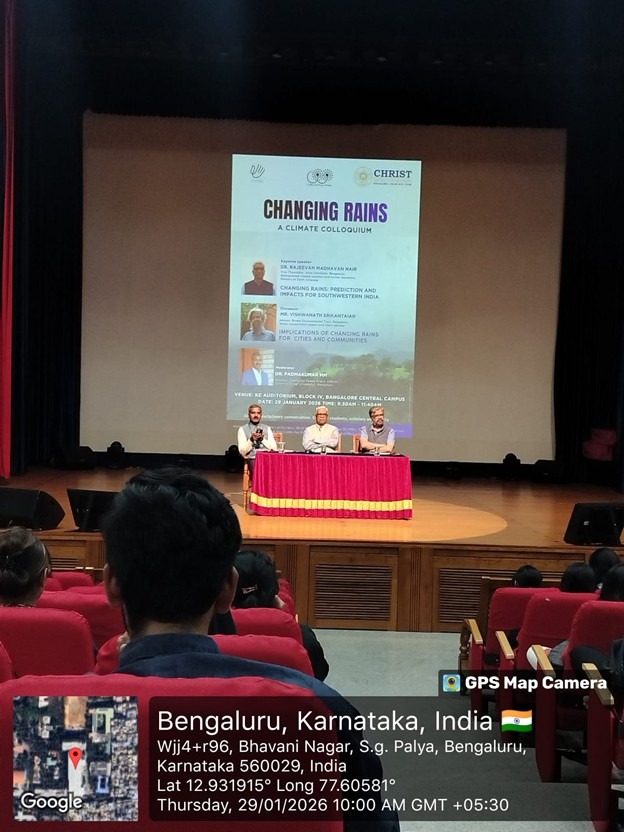
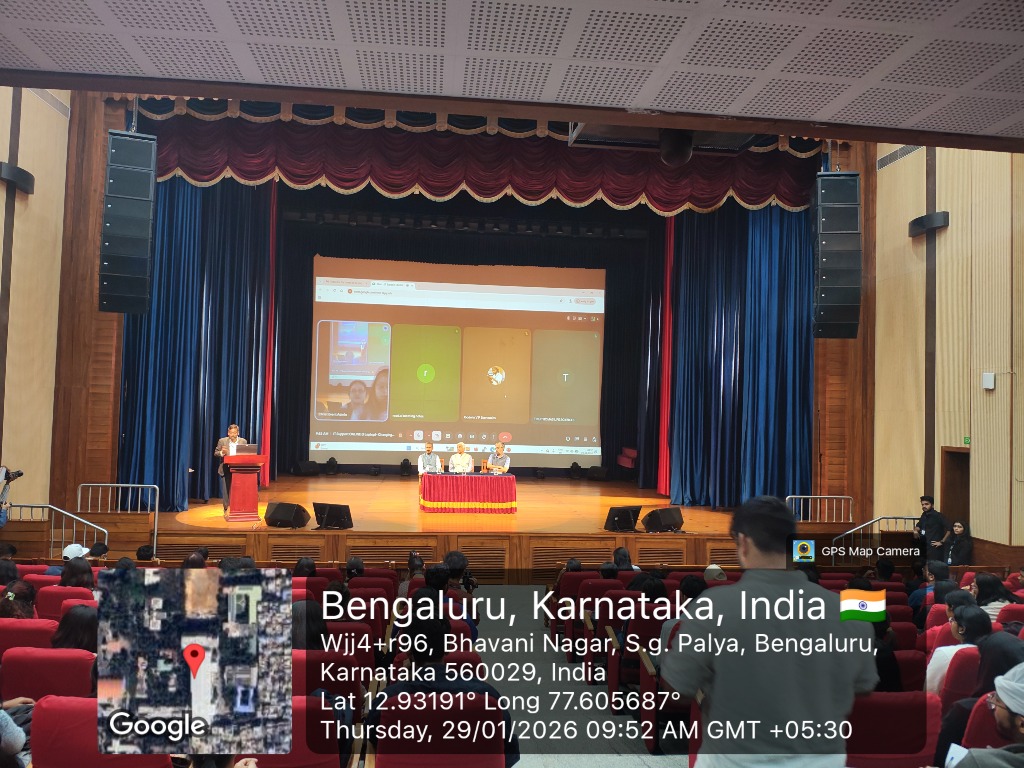
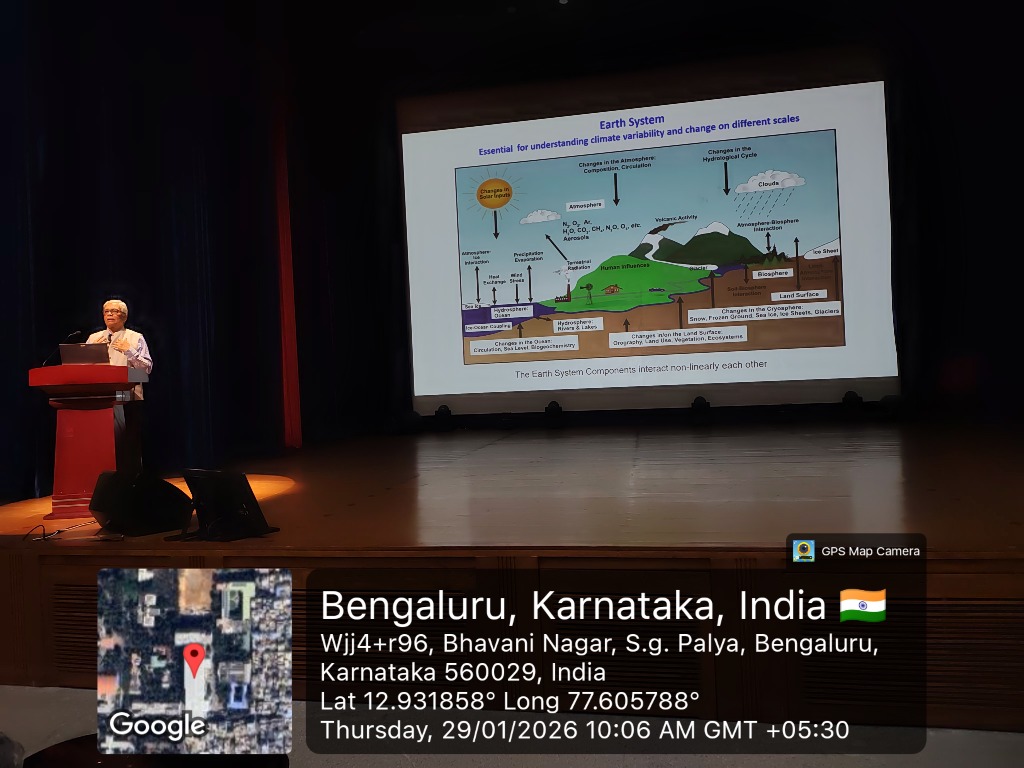
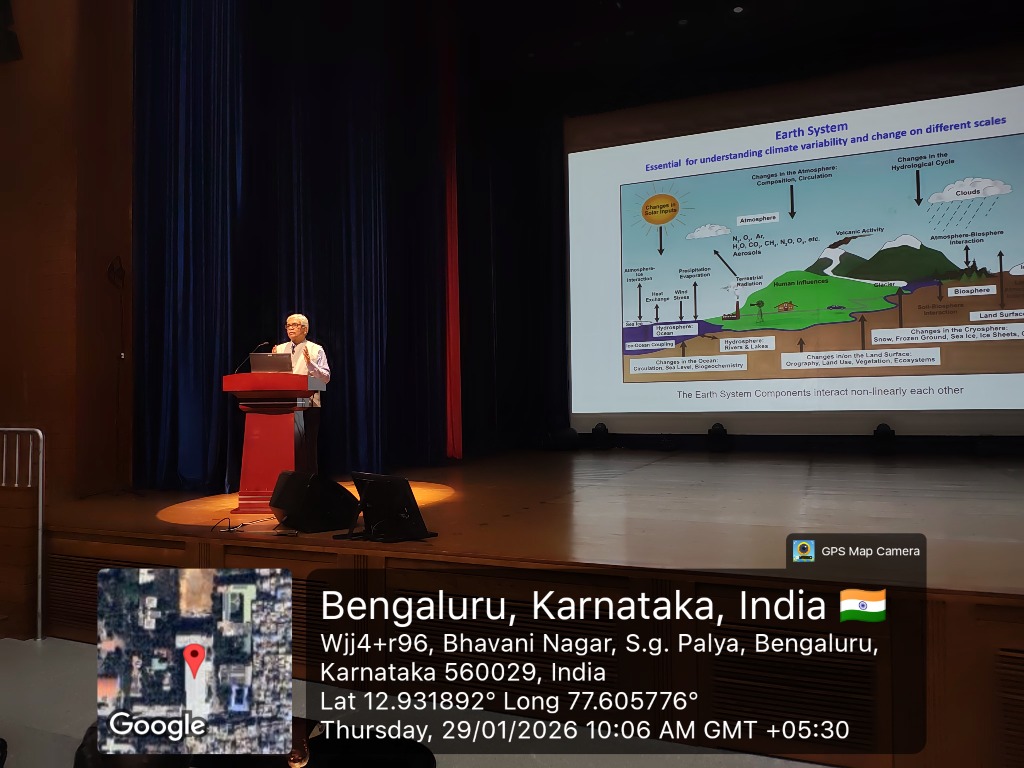
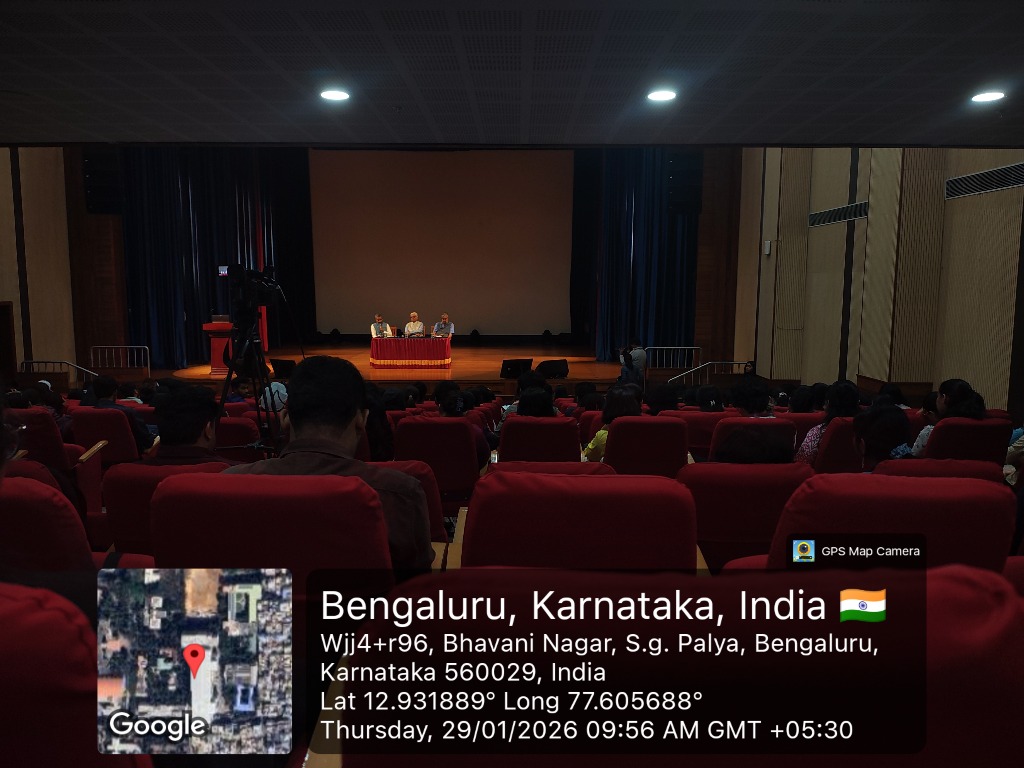
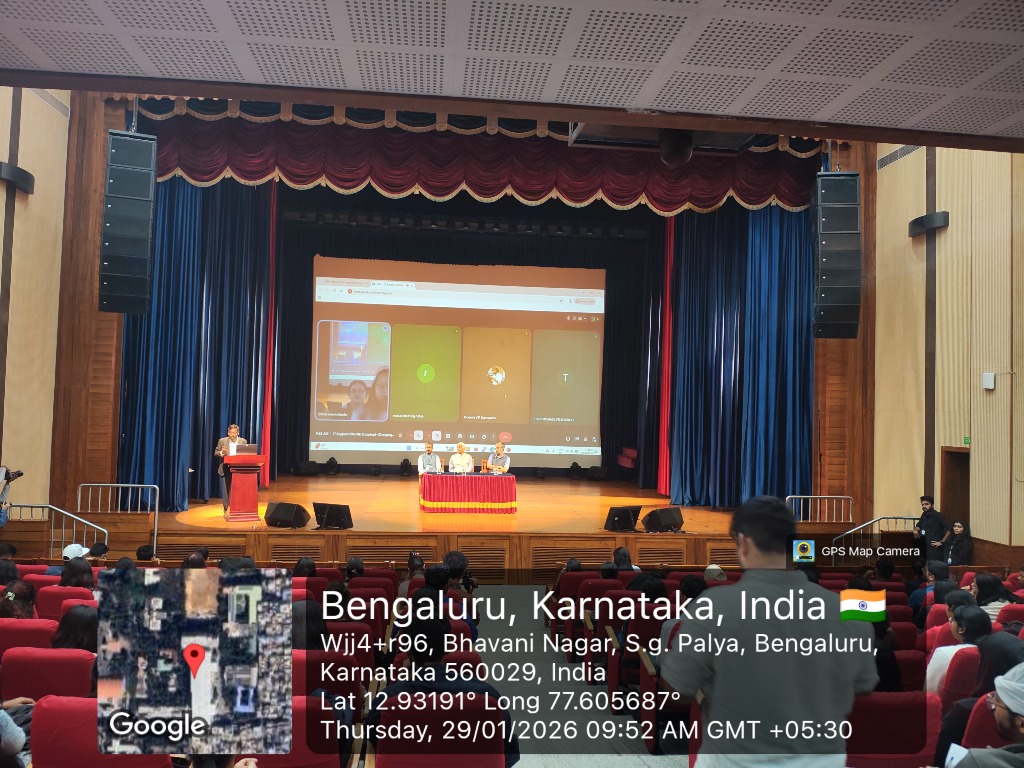
The Changing Rains – A Climate Colloquium was an interdisciplinary academic event that examined shifting rainfall patterns and their impacts on Southwestern India. The keynote address by Dr. Rajeevan Madhavan Nair focused on scientific approaches to rainfall prediction and emerging climate trends, while the discussion by Mr. Vishwanath Srikantaiah highlighted the implications of changing rains for urban areas, water management, and local communities. Moderated by Dr. Padmakumar MM, the colloquium encouraged meaningful interaction among students, scholars, and faculty, and emphasized the importance of integrating climate science with urban planning and sustainable development.
Distinguished Speakers
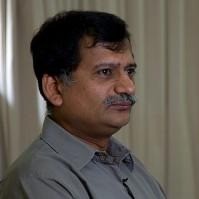
Dr. Rajeevan Madhavan Nair
Vice Chancellor
Atria University, Bengaluru
Presentation
Changing Rains: prediction and impacts for southwestern India
Mr. Viswanath Srikanth
Advisor
Biome Environmental Trust, Bengaluru
Presentation
Implication of changing rains for cities and communities
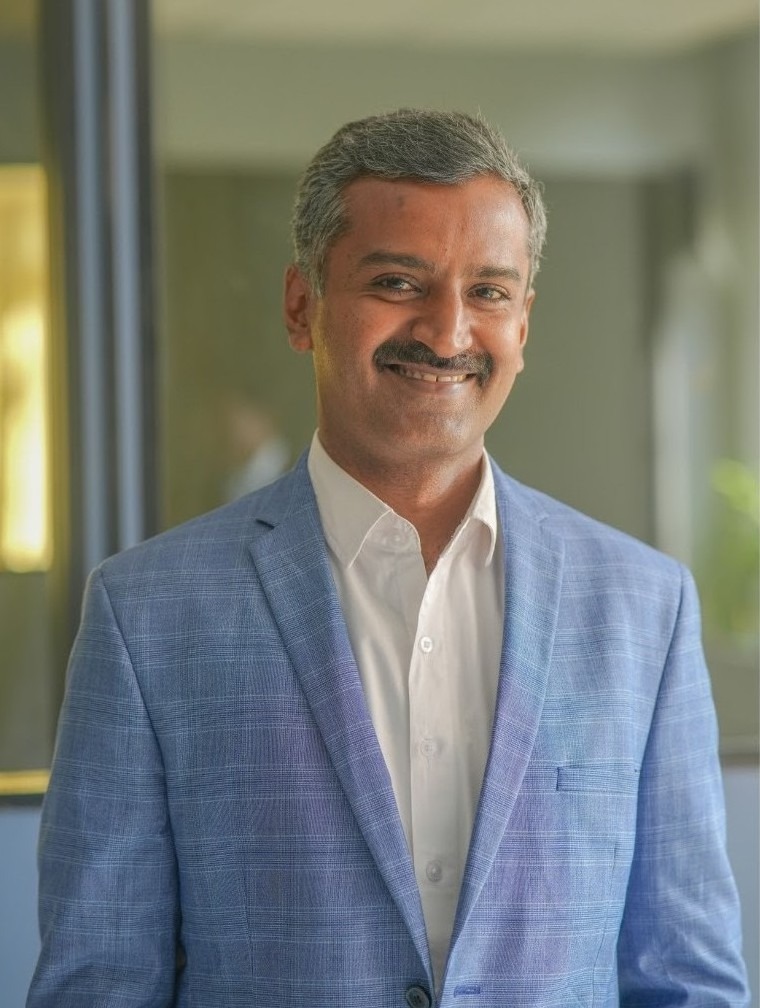
Dr. Padmakumar MM
Associate Professor
Christ University - BCC
Role
Moderator
Key Takeaways
- Rainfall in Southwestern India is becoming more irregular and intense, increasing risks to agriculture, urban infrastructure, and water security.
- While climate science offers tools to predict these changing patterns, uncertainty makes adaptive and resilient planning essential.
- The discussions stressed that unplanned urbanisation and the neglect of natural water systems worsen the impact of changing rains.
- Emphasized the need for sustainable urban planning, community-based water conservation, and interdisciplinary collaboration to effectively respond to climate change.
250
Participants (Students and Others)
Event Gallery
Sustainable Development Goal
Sustainable Development Goal